Signs of a Roof Leak Every Northern Utah Homeowner Should Know
Subtle signs of a roof leak can hide for months before visible damage appears. From ceiling stains and flashing failures to ice dams and missing shingles, this guide covers what Northern Utah homeowners need to know — and when to call a professional.
A roof leak rarely announces itself with a dramatic flood through the ceiling, even though the movies would tell you otherwise. In most Northern Utah homes, the earliest warning signs are subtle—easy to miss if you don’t know what to look for. By the time water is visibly dripping into your living space, there’s often weeks or even months of hidden damage lurking behind walls, soaking into attic insulation, or quietly rotting your structural framing.
Catching the signs of a roof leak early can mean the difference between a quick repair call and a full-blown restoration project. That’s a gap worth understanding.
Utah’s climate makes roof leaks an especially relevant concern. Heavy snowfall, rapid freeze-thaw cycles, and the occasional hailstorm create conditions that wear down roofing materials faster than most homeowners expect. The good news? Knowing what to look for gives you a real advantage when it comes to protecting your home.
Why Northern Utah Is Especially Hard on Roofs
The Wasatch Front is genuinely rough on roofing systems. Significant snowfall accumulates each winter, placing ongoing stress on shingles, underlayment, and flashing. When temperatures swing above freezing during the day and plummet back below it at night, ice dams can form along roof edges—forcing meltwater underneath shingles and into vulnerable areas before any visible damage appears on the surface.
Spring and summer bring their own challenges. Afternoon thunderstorms with wind-driven rain can exploit even small gaps in flashing or deteriorated sealant around vents and skylights. Hail events, which aren’t uncommon along the Wasatch Front, can crack or dislodge shingles in ways that aren’t obvious from the ground.
All of these factors make regular roof awareness essential—not optional—for Utah homeowners.
Water Stains and Discoloration on Ceilings and Walls
One of the most recognizable signs of a leaky roof is water staining on interior ceilings or upper walls. These stains typically appear as yellowish-brown rings or patches and tend to grow gradually over time.
Don’t Be Fooled by a “Dry” Stain
A common mistake: a stain appears after heavy rain or snowmelt, then seems to dry out—and homeowners assume the problem resolved itself. It almost never does.
Water stains indicate that moisture is finding a path from the roof surface into your home’s interior. Even if the stain looks dry, the underlying cause—damaged flashing, cracked shingles, compromised underlayment—is still there. Left unaddressed, these roof leaks worsen progressively, often spreading into structural components before the damage becomes obvious.
Ceiling discoloration is a clear warning sign. Treat it like one.
How to Locate a Leak in the Roof: Start in the Attic
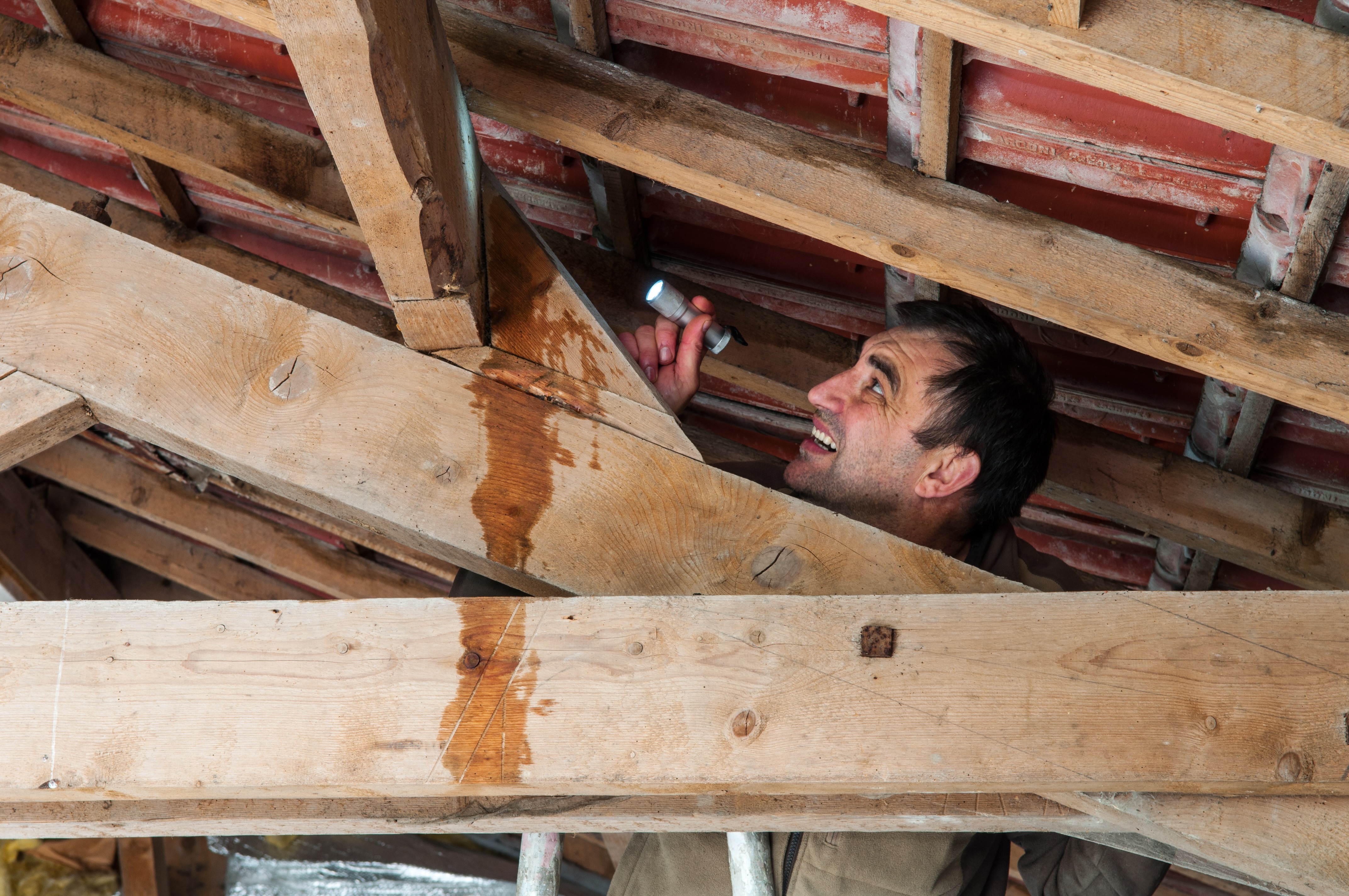
The attic is the single best starting point when investigating a suspected roof leak. Armed with a flashlight, you can inspect the underside of the roof decking for dark spots, moisture trails, or areas where daylight is visible through gaps.
What to Look For Up There
During or immediately after rain, active drips may be visible. But here’s the tricky part: water often travels along rafters or sheathing before it actually drips down. That means the entry point in the attic may not be directly above the wet spot on the ceiling below.
When figuring out how to locate a leak in the roof, look for secondary evidence as well:
• Compressed or darkened attic insulation
• Mold or mildew growth on wood surfaces
• Rust stains on nails or metal hardware
In Northern Utah homes specifically, pay close attention to areas near roof valleys and around penetrations—vent pipes, exhaust fans, chimney chases—where leaks are most likely to develop.
Damaged or Missing Shingles
From the exterior, damaged or missing shingles are among the most straightforward visible signs of a roof leak in progress—or one that’s already underway. Shingles that are cracked, curled, buckling, or missing entirely leave the underlayment and decking exposed to whatever Utah’s weather decides to throw at them.
After a Storm: Do a Quick Visual Check
After significant weather events—particularly hailstorms or high-wind episodes common along the Wasatch Front—a visual inspection from the ground can reveal obvious damage. Look for:
• Shingles that appear lifted or out of place
• Granule buildup in gutters (a sign of accelerated wear)
• Dark patches where protective granules have been stripped away
Any of these conditions increases your risk of water intrusion and warrants a closer look from a roofing professional.
Flashing Failures: A Sneaky Source of Roof Leaks
Roof flashing—the metal strips installed around chimneys, skylights, vent pipes, and where different roof planes meet—is one of the most common origins of a roof leak. Over time, flashing can corrode, pull away from surfaces, or lose its sealant due to thermal expansion and contraction.
In Northern Utah, where temperature swings between seasons are dramatic, flashing failures happen more frequently than in milder climates.
Signs of a Flashing Problem
• Visible rust or separation at flashing edges
• Water stains appearing specifically near chimneys or skylights
• Bubbling or peeling paint on walls adjacent to roof penetrations
Because flashing issues can be difficult to identify from the ground, any suspected leak near a roof penetration is worth a professional inspection. Addressing flashing problems early prevents the kind of structural damage that turns a manageable repair into a costly headache.
Mold, Mildew, and Musty Odors
Persistent moisture from an undetected roof leak creates ideal conditions for mold and mildew growth. In enclosed spaces like attics, wall cavities, and areas around improperly vented bathrooms, mold can establish itself quickly—and spread well before homeowners realize what’s happening.
The signs of a leaky roof aren’t always visual. Sometimes the first indicator is a musty smell that won’t go away with normal ventilation or cleaning.
Why This Matters Beyond the Smell
Mold is more than a cosmetic problem. It presents genuine health risks, particularly for anyone with respiratory conditions, and it can compromise structural wood over time. In Northern Utah’s generally dry climate, it’s easy to assume mold isn’t a realistic threat—but any space with chronic moisture intrusion from a roof leak is vulnerable.
If musty odors persist in upper-floor rooms or near the roofline, investigate the roof as a potential moisture source before assuming it’s something else.
Ice Dams: A Winter-Specific Roof Leak Cause
Ice dams deserve their own discussion because they’re one of the most prevalent causes of roof leaks in Northern Utah, and they catch a lot of homeowners off guard.
An ice dam forms when heat escaping through the roof melts snow on the upper sections. That meltwater then refreezes along the colder eaves, creating an ice ridge that blocks drainage and forces water back underneath shingles—where it seeps into the roof structure and eventually into your home.
What Ice Dams Look Like
• Large icicles hanging from the roofline
• Uneven snow melt patterns on the roof surface
• Ice buildup in gutters
While the immediate symptom is water intrusion, the underlying cause is usually inadequate attic insulation and ventilation. Proper attic airflow keeps the roof surface temperature consistent, which prevents the uneven melting that leads to ice dams. If you’re dealing with recurring ice-related roof leaks, your attic ventilation strategy needs to be part of any repair plan.
When to Call a Roof Leak Repair Professional
Not every roof issue requires an emergency call—but some signs of a roof leak should prompt immediate professional attention:
• Active dripping during storms
• Sagging areas on the ceiling
• Large sections of missing or damaged shingles
• Soft spots on the roof deck (a sign of structural compromise)
Attempting DIY repairs on an active leak can sometimes make things worse, especially if the underlying cause isn’t correctly identified.
The Value of Seasonal Inspections
For Northern Utah homeowners, scheduling a professional roof inspection after each major weather season is a practical and cost-effective approach. A qualified inspector can identify problems that aren’t visible from the ground, assess the condition of flashing and sealant, and give you an honest picture of how much useful life your roofing system has left.
When it comes to roof leak repair, early detection and professional assessment consistently lead to better outcomes and lower costs than waiting for a problem to become impossible to ignore.
Protecting Your Home Starts With Knowing What to Look For
Whether it’s a subtle water stain on the ceiling, a musty smell in the attic, or shingles that look rough after a storm—each of these signs of a roof leak is pointing you toward a problem that’s always easier and less expensive to solve when caught early.
Regular awareness and timely professional inspections are the most reliable tools any homeowner has for keeping a roof performing the way it should. You don’t need to become a roofing expert—you just need to know what’s worth a second look.