Best Roofing Options for Heavy Snow Areas in Utah
Utah is a state of extremes—and if you’ve lived here through a real winter, you already know that firsthand. The same mountains that make this place a world-class ski destination can drop several feet of snow on a roof in a single storm.
Utah is a state of extremes—and if you’ve lived here through a real winter, you already know that firsthand. The same mountains that make this place a world-class ski destination can drop several feet of snow on a roof in a single storm. In the Wasatch Front, the Uinta Basin, and higher-elevation communities across the state, rooftops take a beating every season: heavy accumulation, freeze-thaw stress, ice dams, spring melt—all packed into just a few months.
The roofing material you choose makes a bigger difference than most homeowners realize. Get it right and you’re looking at 30-plus years of reliable performance. Get it wrong and you might be back on the phone with a contractor a decade from now wondering what happened. This guide walks through the materials that hold up best in Utah snow country, what to look for in each one, and the installation details that often determine whether a roof actually performs the way it’s supposed to.
Why Utah’s Climate Demands More from a Roof
Most roofing conversations are really conversations about rain. Snow is a different problem entirely. Wet, heavy mountain snow can weigh 20 pounds or more per cubic foot—and when several feet stack up, the total load on a roof can push past what standard framing was designed to handle. That’s not a hypothetical. It’s a real structural risk that Utah homeowners at elevation need to take seriously.
Then there’s the freeze-thaw cycle. Heat escaping through the attic melts snow at the roof surface, which runs down toward the eave and refreezes where the roof gets cold again. That’s how ice dams form—and once water backs up behind one, it doesn’t take long for it to work under shingles, through flashing, and into the structure below.
Any roof that’s going to hold up in Utah snow country needs to handle all three of the following:
- Load-bearing capacity — the deck and framing need to handle peak snow weight without issue
- Water infiltration defense — ice dam conditions require redundant moisture barriers, not just basic underlayment
- Material durability — repeated freeze-thaw cycling degrades some roofing materials a lot faster than others
Leave any one of those gaps and you’re asking for trouble, usually at the worst possible time of year.
Architectural Shingles: The Practical Standard for Most Utah Homes
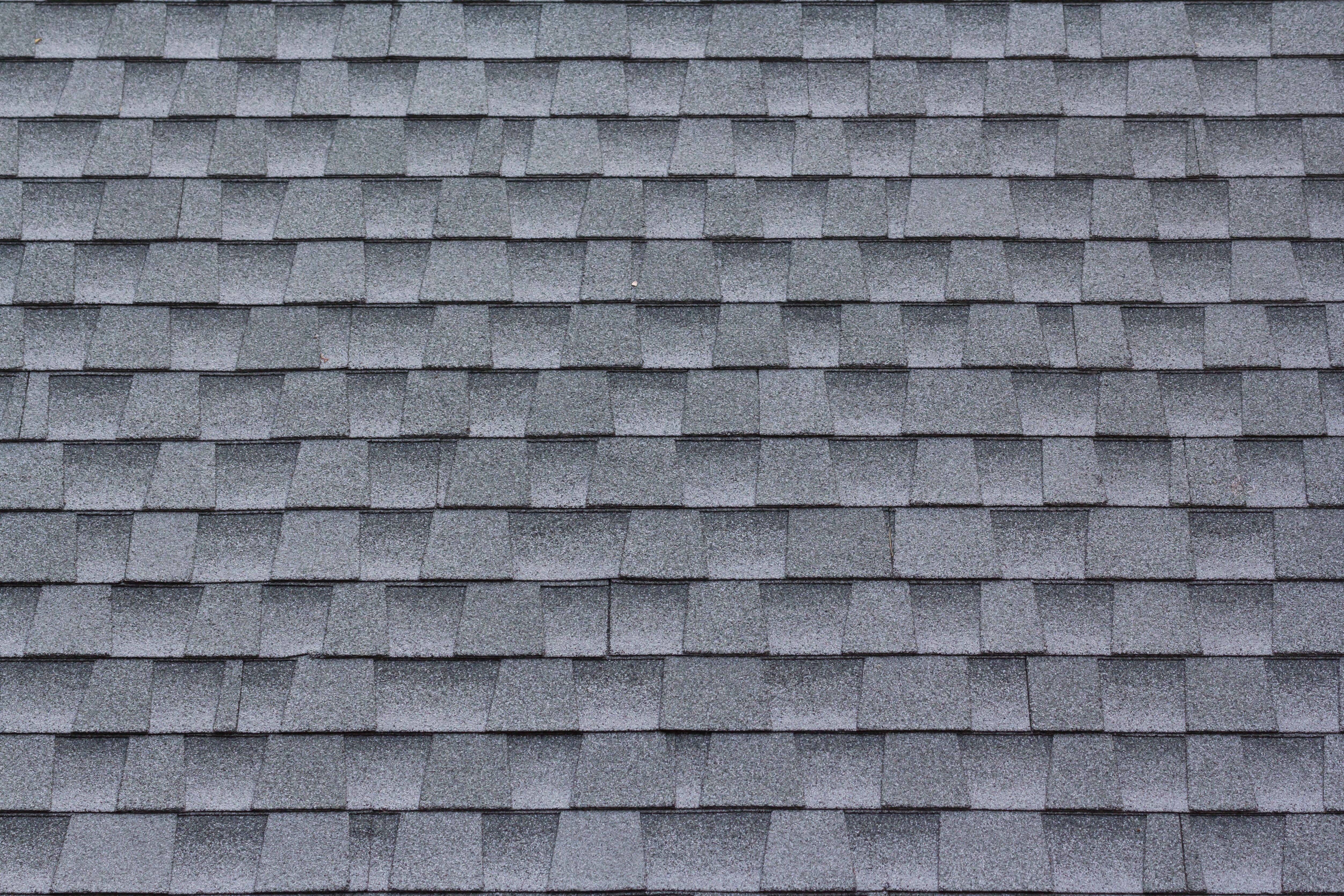
Architectural shingles—sometimes called dimensional or laminate shingles—are the most common choice for residential roofing in Utah, and they’ve earned that position. Unlike the older three-tab style, architectural shingles are built with multiple bonded layers. That means a heavier profile, better wind resistance, and a service life that’s noticeably longer. Premium versions rated for Class 4 impact resistance and winds up to 130 mph are genuinely well-suited to what Utah’s mountain weather throws at roofs.
When you’re selecting architectural shingles for a snow-country home, a few specs matter more than others:
- Weight: Heavier shingles (240–400 lbs per square) hold up better against wind uplift and tend to retain their granules longer
- Impact rating: Class 4 UL 2218 is the top tier for hail protection—and late-season Utah storms often bring hail along with snow
- Algae resistance: North-facing slopes stay wet long after the rest of the roof dries out; copper-infused granules are worth the upgrade
- Manufacturer warranty: A lifetime limited warranty from an established manufacturer reflects real product confidence, not just marketing
From a cost-to-performance standpoint, architectural shingles are hard to beat for most Utah homeowners. The laminate construction genuinely outperforms basic shingles, and the price difference is small enough that there’s rarely a good reason to settle for less. Top Grade Roofing installs architectural shingles from leading manufacturers and can walk you through which product lines make sense for your specific elevation and exposure.
Metal Roofing: The Long-Term Performance Leader
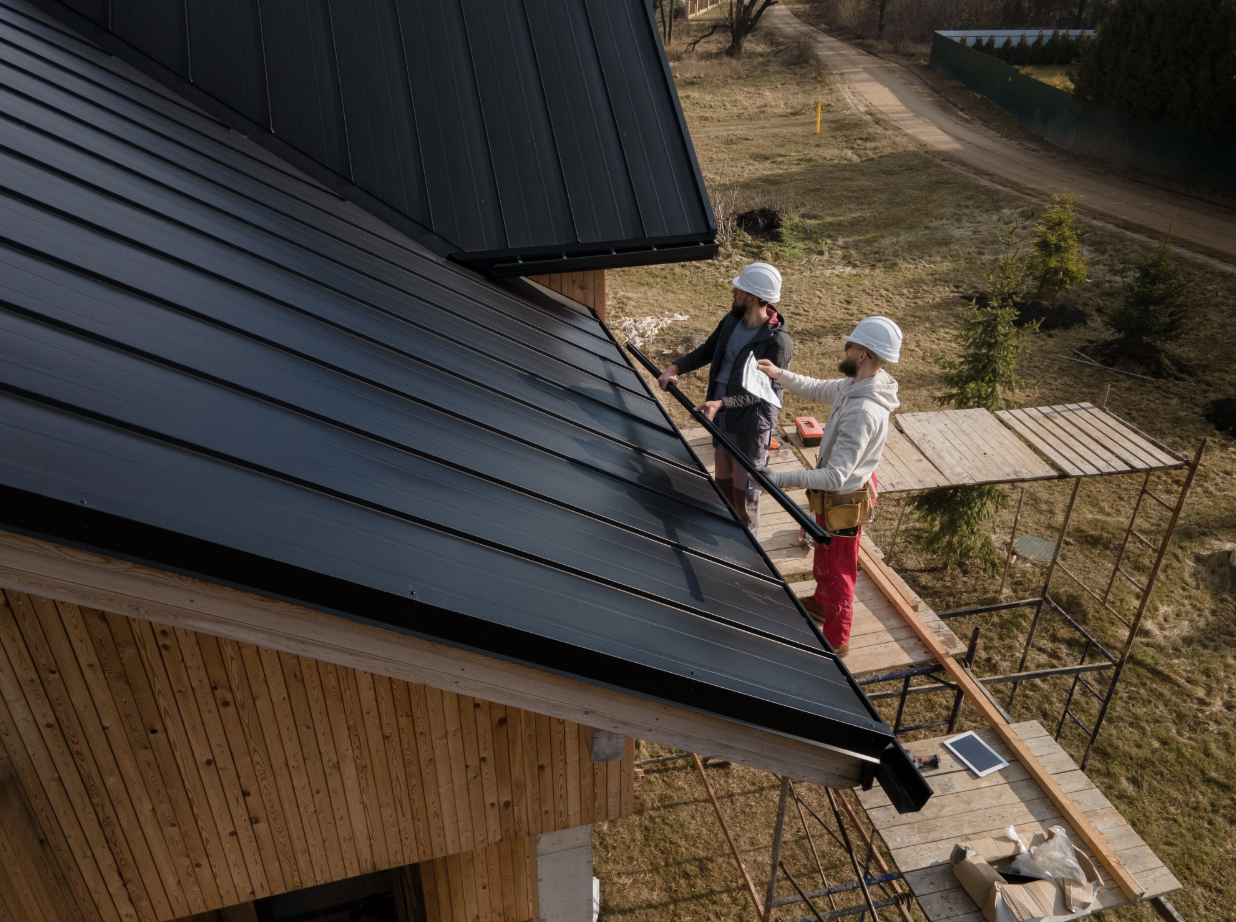
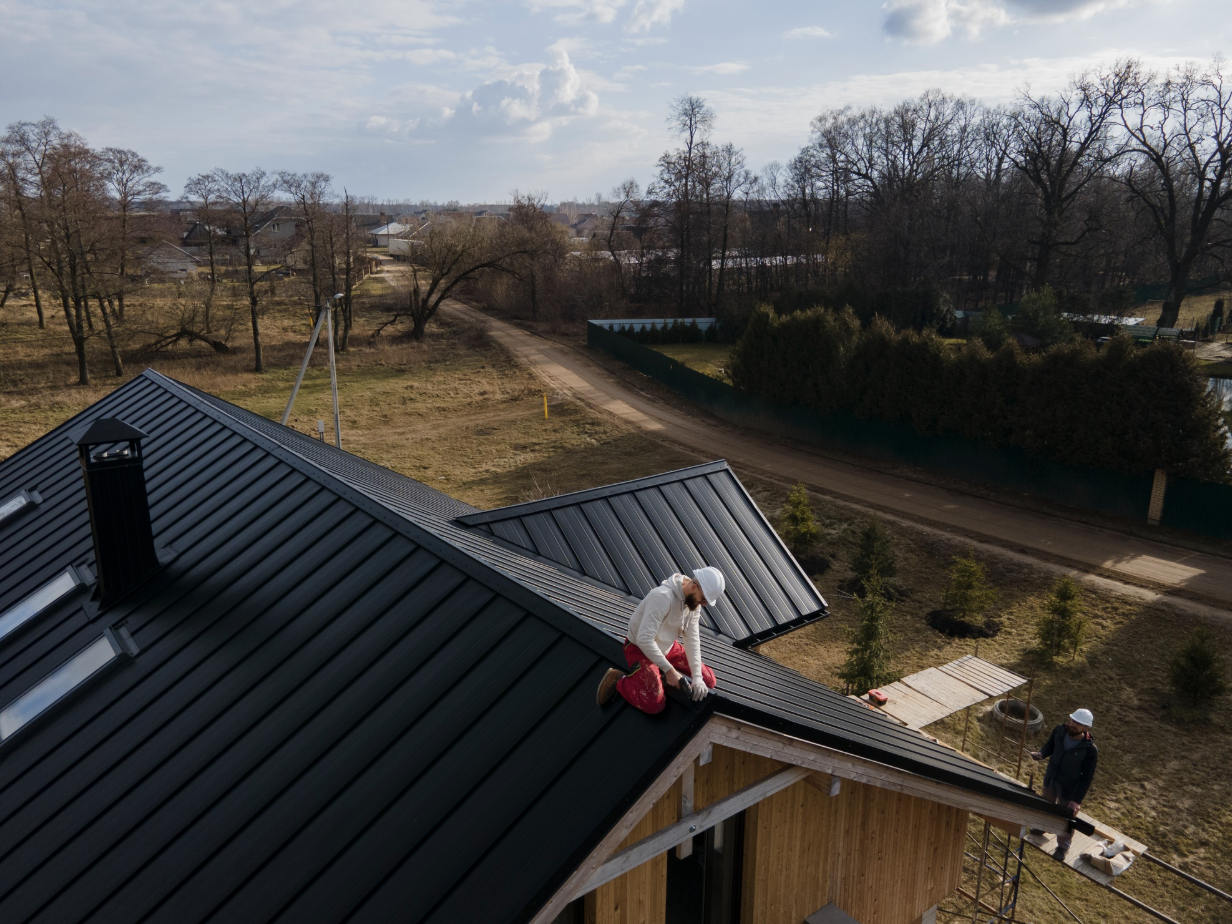
For homeowners in higher-elevation Utah communities—Park City, Brian Head, Duck Creek Village—metal roofing has become the preferred long-term answer, and the reason is pretty simple: metal panels shed snow on their own. There’s no accumulation, which means the ice dam risk that plagues other roofing systems is largely taken off the table. A standing seam metal roof with interlocked panels and no exposed fasteners creates a moisture barrier that holds up exceptionally well through freeze-thaw cycling.
The case for metal in Utah snow country comes down to a handful of things:
- Snow shedding — smooth panels release accumulated snow before dangerous loads have a chance to build
- Lifespan — 40 to 70 years with minimal maintenance, compared to 20 to 30 years for asphalt
- Fire resistance — Class A rated, which matters if your property sits in a wildland-urban interface zone
- Energy efficiency — reflective coatings cut cooling loads during Utah’s high-altitude summers
The honest trade-off is upfront cost. Metal roofing runs two to three times what asphalt costs per square, and it requires a contractor who actually knows the work—panel seaming, expansion joints, snow guard placement. Snow guards are often necessary on steeper pitches to prevent sudden, dangerous roof avalanches over walkways or lower rooflines.
When the installation is done right, metal roofing pays for itself over time through reduced maintenance and replacement cycles. Top Grade Roofing has experience with standing seam metal systems and can assess whether the investment makes sense for your property and budget.
Cedar Shake Shingles: Character With Caveats
Cedar shake shingles have a long history in mountain construction, and the look is genuinely hard to replicate. The texture, the warmth, the way it fits into a mountain setting—synthetic alternatives have been trying to match it for decades and still fall a bit short. Cedar is naturally rot-resistant and holds up reasonably well under snow when it’s properly installed and maintained.
That said, cedar comes with real trade-offs worth knowing before you commit:
- Treatment: Untreated cedar degrades faster in wet mountain conditions; shingles should be pressure-treated or factory-treated with preservatives
- Moss and mold: North-facing and shaded sections are prone to biological growth, which holds moisture against the wood and speeds up deterioration
- Fire codes: Many Utah counties in high fire-hazard zones restrict or prohibit untreated wood shingles—worth checking local regulations before you commit
- Cost: Premium cedar shake shingles cost significantly more than architectural shingles and need professional installation to perform as expected
Cedar is a legitimate choice for homeowners who genuinely value the traditional aesthetic and are prepared to stay on top of maintenance. If you want the look without the upkeep, engineered composite shingles that mimic wood grain have gotten quite good. Top Grade Roofing works with both and can give you an honest read on which makes more sense for your situation.
What to Know About Synthetic Composite Shingles
Synthetic composite shingles don’t always get the attention they deserve in these comparisons. They’re manufactured to mimic the look of cedar, slate, or wood shake while shedding the maintenance demands that come with those materials. Service life typically runs 25 to 50 years, and they carry low maintenance requirements—no moss treatments, no preservative applications, no fire code complications.
For homeowners who want the visual character of cedar or slate without committing to the upkeep or the premium price of natural materials, composites deserve a closer look. They’re particularly well-suited to Utah properties where fire code restrictions on wood shingles would otherwise limit your options.
The Role of Underlayment in Snow Country
Here’s something that doesn’t get nearly enough attention in most roofing conversations: the material on top of your roof is only as good as the moisture management system underneath it. Underlayment is the critical second line of defense when shingles are compromised by ice, wind-driven snow, or mechanical damage. In Utah’s snow climate, that second line gets tested every single winter.
Standard felt underlayment isn’t enough for Utah’s snow-prone regions. What actually works:
- Self-adhering ice and water shield: Applied at the eave line and in all valleys, this rubberized membrane seals around fasteners and blocks water infiltration behind ice dams. In Utah’s heaviest snow zones, it should extend at least 6 feet up the slope, or 24 inches inside the heated wall line
- Synthetic underlayment: Above the ice shield, high-performance synthetic outperforms felt on moisture resistance, tear strength, and walkability during installation
- Ventilation: Proper attic ventilation reduces the heat differential that causes ice dams in the first place. Underlayment and ventilation work together as a system—one doesn’t substitute for the other
Cutting corners on underlayment to save money upfront is a false economy in Utah mountain conditions. Water intrusion from ice damming is one of the most common and most expensive roofing failures in this state. A contractor who skips past this piece of the conversation in their proposal is a contractor worth questioning.
Structural Considerations Before Choosing a Material
Material selection should always start with a structural assessment—especially for older Utah homes that may have been built to lower historical snow load standards. Modern building codes require roofs to handle specified ground snow loads that vary significantly by elevation, from around 30 psf in lower valleys to over 100 psf in mountain communities. If your home was built before those standards tightened, there’s a real chance the current structure doesn’t meet today’s requirements.
Before committing to any roofing material, a qualified contractor should evaluate:
- Existing framing dimensions and spacing against current load requirements for your elevation
- Roof pitch—steeper pitches shed snow more effectively but require different installation approaches
- Attic insulation and ventilation, which affect ice dam formation regardless of what’s on the roof surface
- Flashing condition at chimneys, skylights, and roof-to-wall transitions, where failures tend to concentrate
For a full re-roof on an older property, this assessment sometimes reveals the need for structural reinforcement before any new material goes on. Better to know that going in than to find out mid-project. Top Grade Roofing includes a structural evaluation as part of their assessment process, so nothing gets missed before the work begins.
Frequently Asked Questions
Are architectural shingles strong enough for Utah’s heaviest snowfall areas?
For most Utah residential applications, yes. Architectural shingles with proper underlayment and adequate roof pitch handle the load well. Where things get more nuanced is at the highest elevations or on roofs with complex geometries that trap snow. In those situations, metal roofing offers a more passive solution—it sheds load automatically rather than holding it.
Do cedar shake shingles hold up to Utah winters?
They can, when properly treated and maintained. But the maintenance requirements are real, and fire code restrictions in many Utah counties have made cedar less common than it was a decade ago. Engineered composites that replicate the cedar look have genuinely closed most of the performance gap and are worth considering as an alternative.
How important is underlayment for snow areas specifically?
It’s critical. The ice and water shield at the eave line is your primary defense against the water infiltration that comes from ice damming. No surface material prevents this on its own—the underlayment system is what actually keeps water out when an ice dam forms. In Utah snow country, it’s not optional.
What roof pitch is best for snow shedding in Utah?
A minimum 4:12 pitch is generally recommended, with steeper pitches doing a better job shedding accumulation. Very steep pitches (above 12:12) have their own installation complexities and often need snow guards to prevent sudden, avalanche-style releases off the roof edge.
Choosing the Right Roof for Utah’s Snow Country
The roofing systems that hold up best in Utah’s heavy-snow climate have a few things in common: they’re installed as a complete system rather than a single product, they account for ice dam formation at the eave line, and they’re matched to the structural capacity and pitch of the specific building.
For most Utah homeowners, architectural shingles with a proper underlayment system hit the right balance of performance, durability, and cost. For higher-elevation properties or anyone looking for a longer-interval solution, metal roofing earns its premium through decades of low-maintenance snow shedding. Cedar shake and synthetic composite shingles both have a place depending on what matters most to you—aesthetic, longevity, or maintenance burden.
Whatever direction you go, the quality of the installation matters more than anything else. A well-installed modest system consistently outperforms a premium product that was cut short on the critical details. Top Grade Roofing approaches every project with that in mind—from the underlayment up. If you’re weighing options for a Utah snow-country roof, they’re worth a conversation.