Roof Replacement: How Homeowners Know When It’s Time
Should you patch that leak or replace your whole roof? Here's how Utah homeowners can tell if and when it's time for a replacement roof near you.
Every roof has a lifespan, and if you’re a Utah homeowner, yours is working pretty hard. Between the intense summer sun, heavy winter snowfall, and those hailstorms that love to roll off the Wasatch Front, your roof takes quite a beating. Eventually, you’ll face that inevitable question: should you patch things up and hope for the best, or is it time for a full replacement?
Let’s walk through the key factors you’ll want to consider when making this decision—warning signs to watch for, what it might cost you, and how our unique Utah climate affects how long your roof will last. By the end, you’ll have a much clearer sense of what your roof actually needs.
Understanding Your Roof’s Lifespan in Utah’s Climate
Before you can decide between repairs and replacement, it helps to know what you’re dealing with. Different roofing materials age very differently, and Utah’s weather doesn’t exactly make things easy on them.
Asphalt shingles—what you’ll find on most Utah homes—typically last 20 to 30 years. But “typical” depends on where you live. If your home is in St. George or the western Salt Lake Valley where the sun beats down relentlessly, UV damage can shorten that lifespan. Up in the higher elevations? You’re dealing with heavier snow loads and more freeze-thaw cycles, which create their own set of challenges.
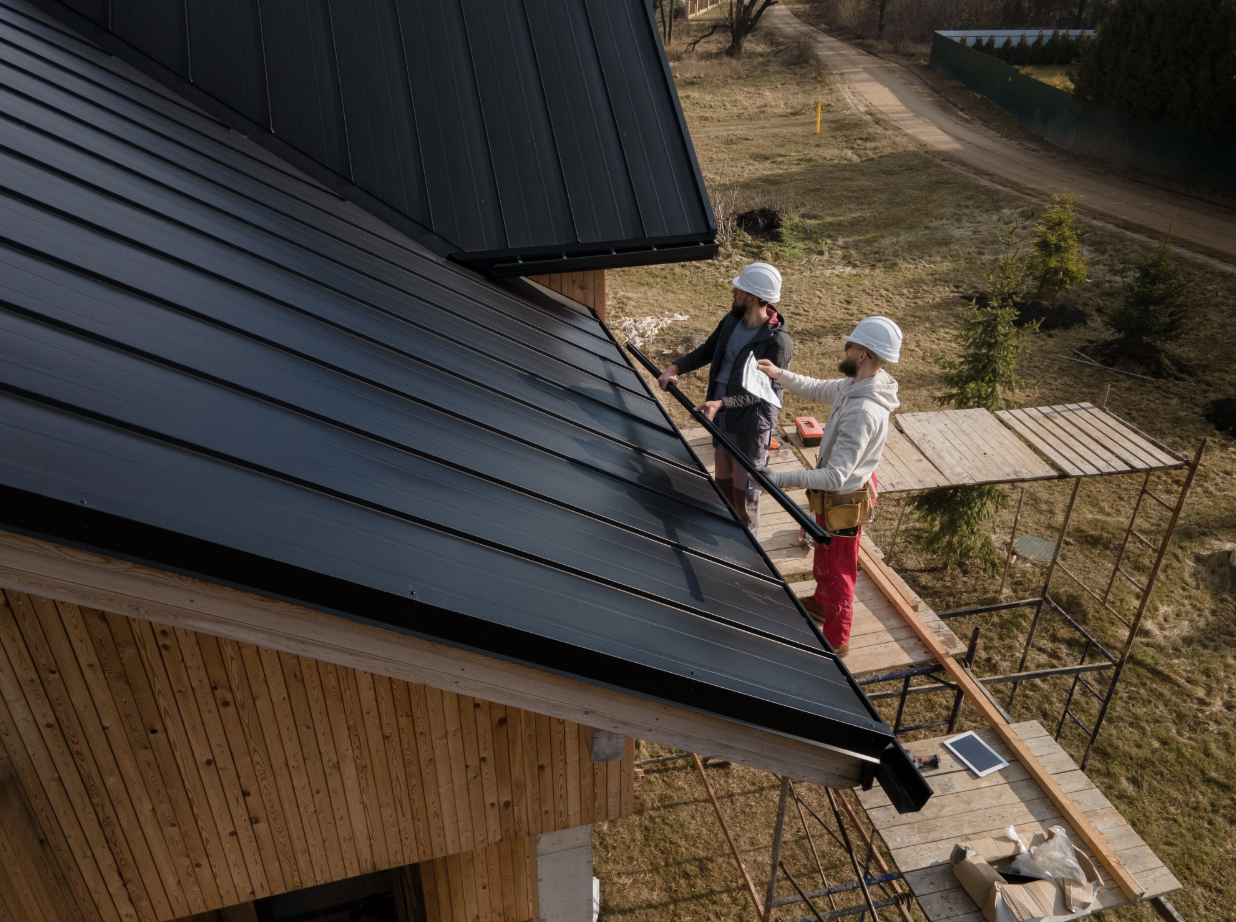
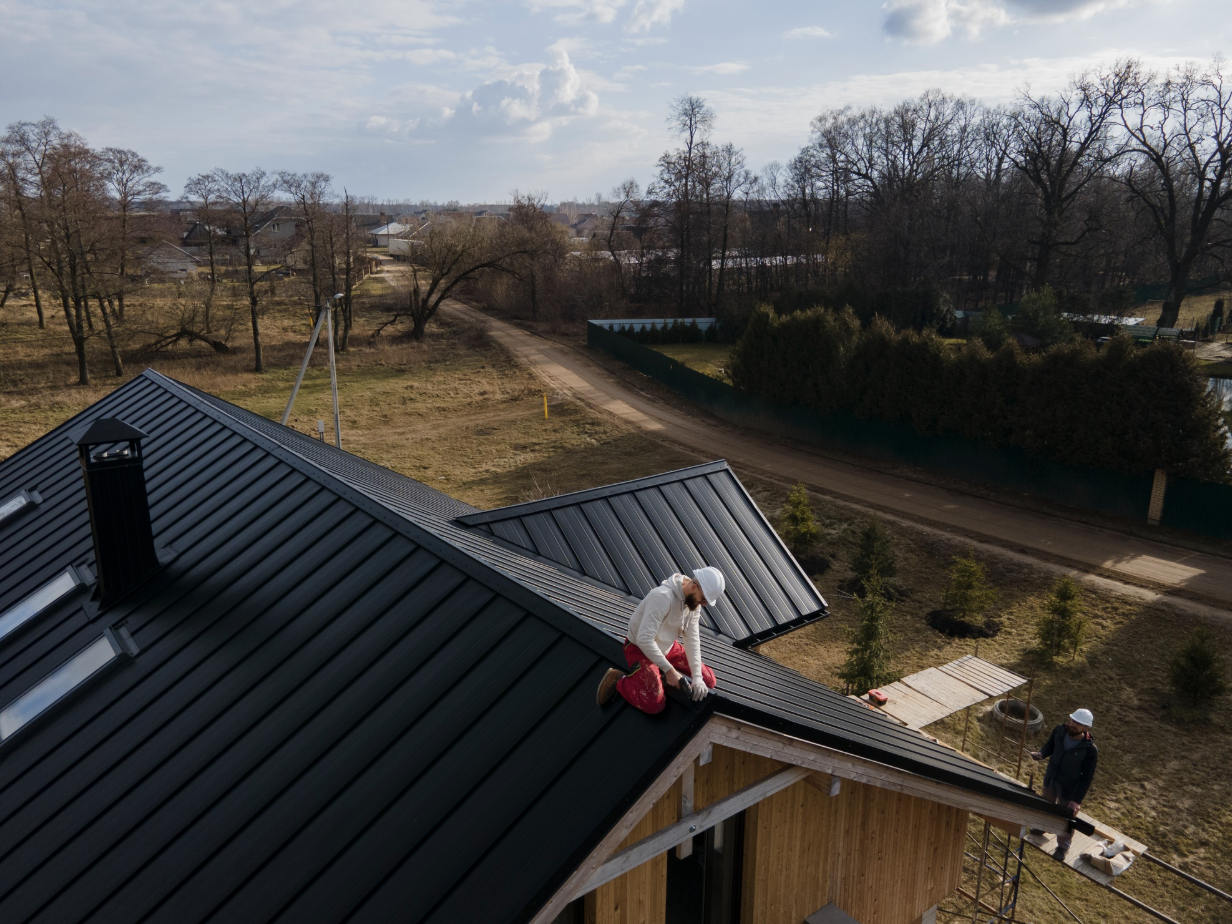
Metal roofing is becoming more popular among Utah homeowners because it can last 50 years or longer with the right installation. These durable roofing materials handle heavy snow loads beautifully. Tile and slate roofs can last even longer, though they cost more upfront and your home needs to be built to handle the extra weight.
The bottom line: knowing how old your roof is and what it’s made of is crucial. A 25-year-old asphalt roof showing problems is in a completely different situation than a 10-year-old roof with similar issues.
Warning Signs That Point Toward Roof Replacement
Some problems are simple fixes—a few shingles blown off in a windstorm, or a small leak around a vent. But other signs tell you the roof is reaching the end of its useful life, and repairs would just be buying you a little time.
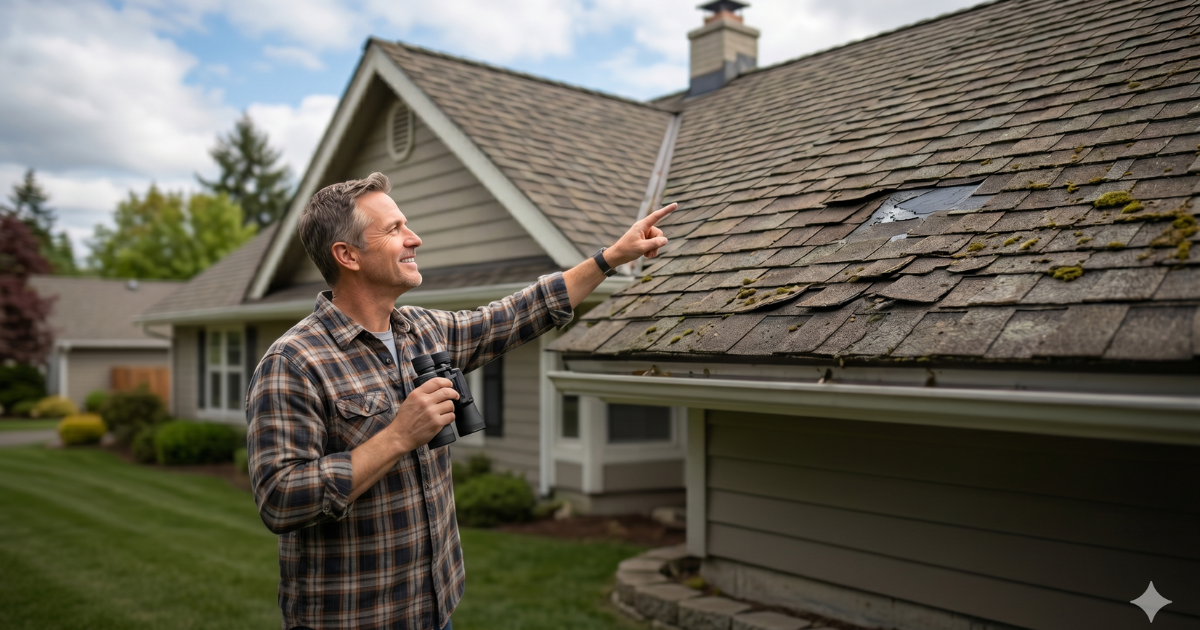
One of the clearest red flags is widespread granule loss. Those tiny granules on asphalt shingles protect everything underneath from UV damage. When you start finding piles of them in your gutters, the shingles are wearing out. Professional roof inspections often catch this before you’d notice it yourself.
If you’re seeing shingles curling or buckling across large sections of your roof, that’s telling the same story. Sure, you can replace individual damaged shingles, but when the problem is everywhere, new roof installation becomes the practical move.
Sagging spots in your roof deck are especially worrisome. That usually means moisture has damaged the structure underneath—and you can’t fix that by just slapping new shingles on top. You’ll need structural repairs along with replacement.
Multiple roof leaks in different areas of your home? That suggests your roof is failing broadly, not just in one spot. While roof leak repair can handle individual problems, chasing leaks all over an aging roof usually costs more than just replacing it.
When Roof Leak Repair Makes Financial Sense
Here’s the good news: not every roofing problem means you need a whole new roof. Repairs are absolutely the right call in plenty of situations—especially if the overall roof is still in solid shape.
Storm damage in just one area—like where a branch hit, or where wind lifted some shingles—is a classic repair scenario. If the rest of your roof checks out and still has good years left, targeted repairs make perfect sense.
Flashing problems around chimneys, skylights, or valleys are another common repair candidate. Flashing tends to fail before the rest of an otherwise healthy roof does, and replacing it costs way less than a full roof replacement. The trick is catching it early, before water gets in and causes other damage.
Minor leaks caught quickly? Usually repairable. A roof leak that gets addressed fast—before it messes up your insulation, drywall, or framing—is typically a manageable fix. But the longer you wait, the bigger the problem becomes.
Here’s a good rule of thumb: if repair costs are approaching 30% or more of what a new roof installation would cost, replacement is usually the smarter long-term choice. This is especially true if your roof is already past the halfway point of its expected lifespan.
The Role of Professional Roof Inspections
You can spot the obvious stuff—missing shingles, visible leaks, debris filling your gutters. But a lot of roofing problems aren’t visible from the ground or even from a quick look. That’s where professional roof inspections come in.
A thorough inspection looks at way more than just shingles. It checks flashing, vent boots, gutters, fascia, soffit, and even your attic for signs of moisture or poor ventilation. In Utah, proper attic ventilation is a big deal—ice dams form when warm air escapes into the attic, melting snow that then refreezes at the edges. Inspectors can spot ventilation issues that lead to premature roof failure.
Planning to buy a home? Get a roof inspection—it’s essential. Same goes after major weather events. We get regular hailstorms here during spring and summer, and the damage isn’t always obvious right away. If you need to file an insurance claim for storm damage, you’ll need professional documentation anyway.
Many roofing companies offer free or low-cost inspections, especially if you’re considering getting work done. You’ll typically get a written report detailing your roof’s current condition, recommended repairs, and how much life it has left—valuable information no matter what you decide.
Cost Factors: Comparing Repair and Replacement Investments
Let’s talk money, because that’s often the deciding factor.
Roof leak repairs in Utah typically run anywhere from a few hundred dollars for simple fixes to several thousand for more complex issues involving multiple spots or structural components. It depends on how accessible the damage is, how extensive it is, and whether you need secondary repairs to drywall, insulation, and so on.
Full roof replacement costs vary quite a bit based on your roof’s size, how steep it is, what materials you choose, and whether the old roof needs to be torn off or can be covered over. A straightforward asphalt shingle replacement on an average Utah home might run$8,000 to $15,000. Premium materials or complicated roof designs will push that higher.
Durable roofing materials like metal or tile cost more upfront, but they often work out cheaper over time when you factor in how long they last and how little maintenance they need. If you’re planning to stay in your home for the long haul, they’re worth considering despite the higher initial price tag.
Timing matters too. Roofing contractors here in Utah are busiest from late spring through early fall. If you can schedule work during slower periods—like late fall or early spring—you might get better pricing and faster scheduling, though you’re obviously limited by weather.
Finding Reliable Roof Replacement Near You in Utah
Whether you’re leaning toward repairs or replacement, choosing the right contractor is just as important as the decision itself. There’s no shortage of roofing companies in Utah, but quality varies a lot.
Start by checking licensing and insurance. Utah requires roofing contractors to have a valid license, and reputable companies carry both liability insurance and workers’ compensation. This matters more than you might think—if an uninsured worker gets hurt on your property or poor work causes damage, you could be on the hook.
Local experience counts for something here. A contractor who knows the specific challenges of your area—whether that’s heavy snow in Park City, extreme heat in southern Utah, or the drainage issues we get along the Wasatch Front—brings practical knowledge that helps your project.
Check reviews and references, but look for patterns rather than individual comments. Consistent praise for communication, cleanliness, and follow-through is more meaningful than any single glowing or critical review.
Finally, get multiple estimates for significant work. Make sure quotes are detailed and in writing, with specifics about materials, scope of work, timeline, and warranty terms. A new roof installation is a major investment—taking time to compare options and ask questions upfront saves you headaches later.
Making the Right Call for Your Home
The repair-versus-replacement decision really boils down to three things: your roof’s current condition, how much useful life it has left, and whether repairs or replacement give you better value.
A roof with isolated problems and years of life remaining? Usually worth repairing. A roof showing wear and tear everywhere, or one that’s near the end of its expected lifespan? Often better off replaced.
If you’re not sure where your roof falls, professional roof inspections give you the objective assessment you need to make a confident call. Spending a little on a thorough evaluation can save you thousands by pointing you toward the right solution—whether that’s a targeted repair that extends your roof’s life or a timely replacement that protects your home for decades.
Whatever makes sense for your situation, don’t wait to address roofing issues. Utah’s weather doesn’t mess around, and neither should you when it comes to necessary roof work. The sooner you identify and tackle problems, the more options you’ll have—and the better the outcome will be.